







Search Results for: extreme weather
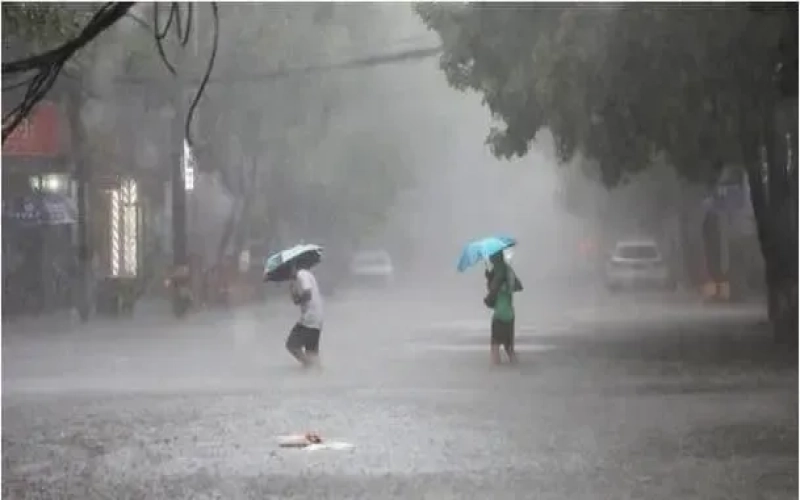
Extreme Weather and Pest Infestation Deal a Double Blow: Vietnam's Coffee Production May Continue to Decline
The World Meteorological Organization recently issued a warning that frequent extreme weather is severely impacting Asia. China, Dubai, and other places have been hit by torrential rains and floods, while South Asian countries such as Thailand, Laos, Vietnam, and Indonesia are mired in scorching heat, with temperatures in many areas exceeding 45°C. As a major global coffee-producing region, Vietnam's Robusta coffee is facing a double assault of drought and pests—reservoirs have dried up, irrigation water sources have been depleted, and cotton bollworms are spreading rapidly. Coffee farmers are being forced to increase irrigation frequency, yet have no water to use. Although rain is expected in May to ease the drought, the latest data from the International Coffee Organization show that global coffee exports grew 8.1% in March 2024, while coffee futures prices have continued to decline, creating a subtle contrast between production prospects and market trends. [more…]
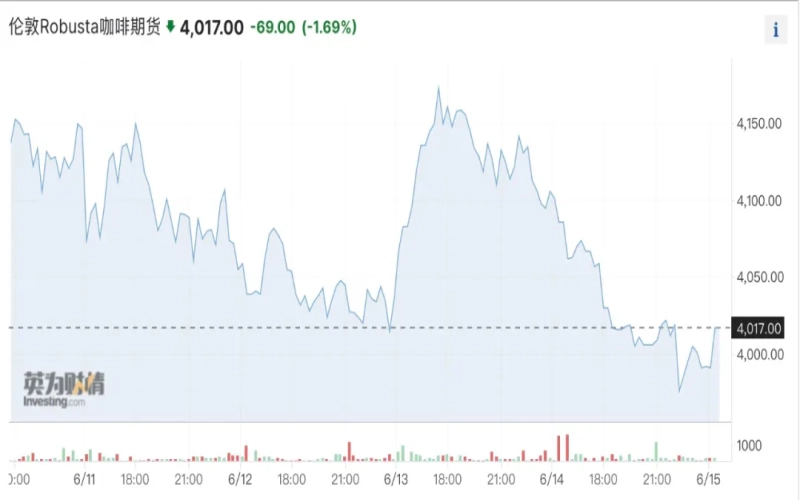
Robusta prices remain stubbornly high as Vietnam's coffee industry is squeezed by both extreme weather and crop competition
Vietnam, a major global robusta coffee-producing region, has recently suffered from prolonged high temperatures, drought, and insufficient rainfall, causing a marked decline in coffee production. Although high international coffee prices once encouraged farmers to expand planting, extreme weather has made cultivation exceptionally difficult. In the first five months of 2024, Vietnam's coffee exports fell by nearly 6% year-on-year, while robusta futures prices remained high at US$4,000 per ton, forcing some roasters to turn to Indonesia for procurement or choose to raise prices. At the same time, pepper prices have risen sharply, with returns far higher than those of coffee, which may prompt farmers to switch to pepper cultivation, and Vietnam's coffee-growing area may shrink in the future. Front Street Coffee will continue to monitor this shifting situation affecting the global coffee supply chain. [more…]
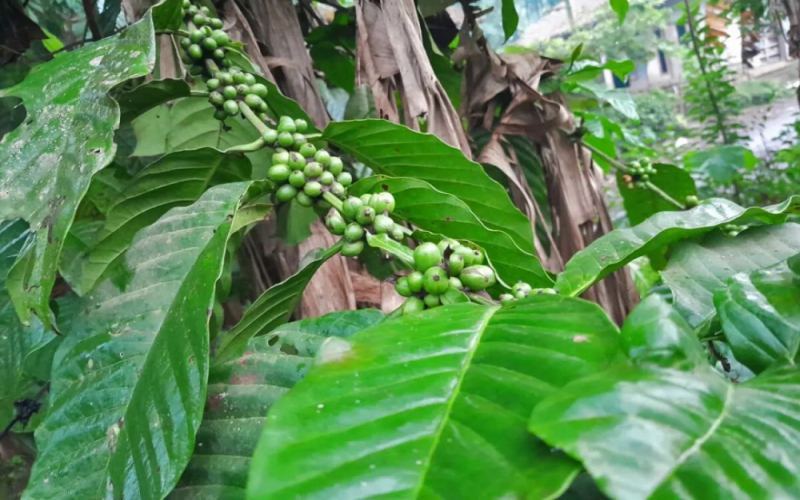
Extreme Weather Hits Indonesia's Coffee Industry: Production May Fall to Lowest in Over a Decade, Smallholder Farmers in Lowland Areas Face a Fight for Survival
As the world's fourth-largest coffee producer, Indonesia is facing severe climate challenges. From the relentless downpours brought by La Niña to the severe droughts triggered by El Niño, extreme weather has alternately battered coffee-growing regions, causing poor development of coffee flowers, withered leaves, and worsening pests and diseases. Industry insiders predict that Indonesia's total coffee production this season will plummet to less than 10 million bags, the lowest level in more than a decade. Smallholder farmers in low-altitude growing regions are bearing the brunt, with some even facing the prospect of a total crop failure. At the same time, soaring rice prices have prompted the government to encourage farmers to switch to rice cultivation, while the slow renewal of coffee trees further constrains any recovery in production capacity. Climate change could also lead to a sharp reduction in Indonesia's land suitable for coffee cultivation. Front Street Coffee will continue to follow subsequent developments in this growing region. [more…]
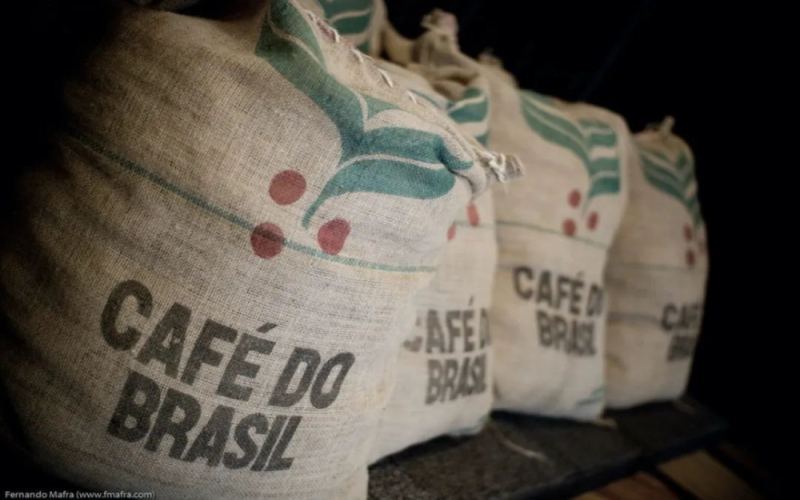
Brazilian Arabica Production Expected to Drop Over 10%, Drought and Extreme Weather Continue to Disrupt the New Crop Season
StoneX has released its first estimate for Brazil's 2025/26 coffee crop, projecting total production at approximately 65.6 million bags, a slight decrease of 0.4% from the previous year. Arabica is expected to decline by 10.5% to 40 million bags, while Robusta is forecast to increase by 20.9% to 25.6 million bags, though the gain in Robusta will not be enough to offset the shortfall in Arabica. The decline is mainly attributed to unfavorable weather in Minas Gerais and São Paulo: first severe drought, followed by storms and strong winds. Soil moisture deficit in Minas Gerais reached its second-highest level on record, with October rainfall far below normal, and future hot and dry conditions may continue to affect the fruit-setting stage. Meanwhile, improved rainfall in Espírito Santo is benefiting Robusta. The European Parliament's decision to delay EUDR implementation by one year also provides a buffer period for Brazil's coffee exports. [more…]
Robusta Futures Approach the $4,000 Mark as Extreme Weather and Geopolitical Risks Weigh Heavily on Coffee Supply
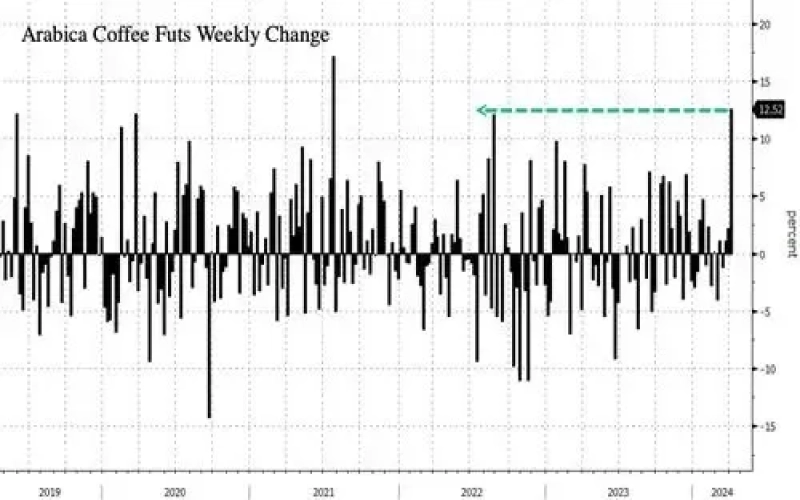
The global coffee market is once again experiencing price fluctuations. Arabica and Robusta coffee futures have rebounded after a brief decline, with the July 2024 Robusta contract touching $3,975 per tonne at one point, approaching the psychological threshold of $4,000. Behind this rally are not only tightening supply caused by ongoing droughts in Brazil and Vietnam, the two major producing countries, but also the new threat potentially posed by La Niña weather, while tensions between Israel and Iran have added further uncertainty to transportation costs. Local traders in Vietnam are accelerating their rush to buy coffee beans, with purchase prices having soared to more than 110 million Vietnamese dong per tonne, while Brazilian Robusta spot prices have also broken through the 1,000 reais mark for the first time. With multiple factors intertwined, coffee prices may continue to face pressure in the short term. [more…]
Extreme weather deals a severe blow to Jamaica's Blue Mountain coffee industry, as officials plan to launch a five-year revitalization program with billions in funding.
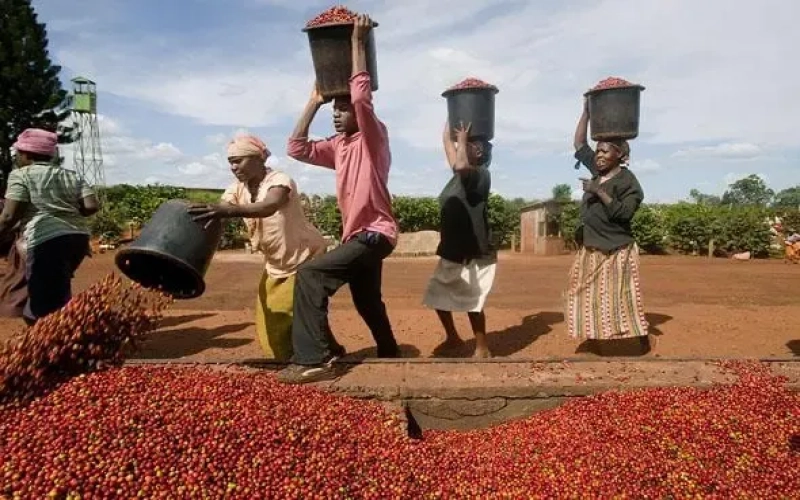
Jamaican Blue Mountain coffee has long been regarded as a treasure of the coffee world, winning the favor of countless enthusiasts with its scarce production and outstanding flavor. However, Jamaica's main coffee-growing regions have recently suffered multiple blows including heavy rains and earthquakes, with frequent mudslides and landslides, causing the new season's coffee bean production to be expected to decline by about 25% compared with the same period last year. Facing this severe situation, the Jamaican government has announced that it will invest billions of dollars to launch a crop recovery and establishment plan, aiming to revive the production of Blue Mountain and High Mountain coffee varieties within five years, benefiting more than 5,000 coffee growers. This article will sort out the causes of this production reduction, its impact, and the specific contents of the official revival measures. [more…]
Colombian coffee exports to China gain strong momentum amid production recovery and extreme weather challenges
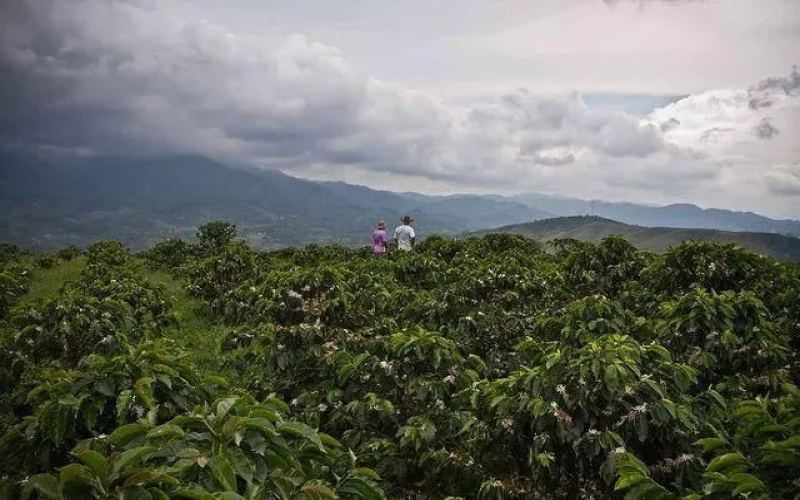
In recent years, Colombian coffee has performed increasingly well in the Chinese market. According to the country's media, China is expected to become Colombia's sixth-largest coffee export destination by the end of the year, and may even rise to second place in the future. In 2019, China ranked only 18th, but by 2023 it had jumped to sixth, with exports reaching 540,000 bags. At the same time, Colombia's coffee industry is gradually recovering from consecutive production declines, with output in the 2023/24 season expected to grow by 15%, though challenges such as drought, wildfires, and armed conflict remain. This article will review the latest export data, market prospects, and industry conditions, and include relevant recommendations from Front Street Coffee. [more…]
Vietnam is suffering from severe drought, and Vietnamese coffee may further reduce production.
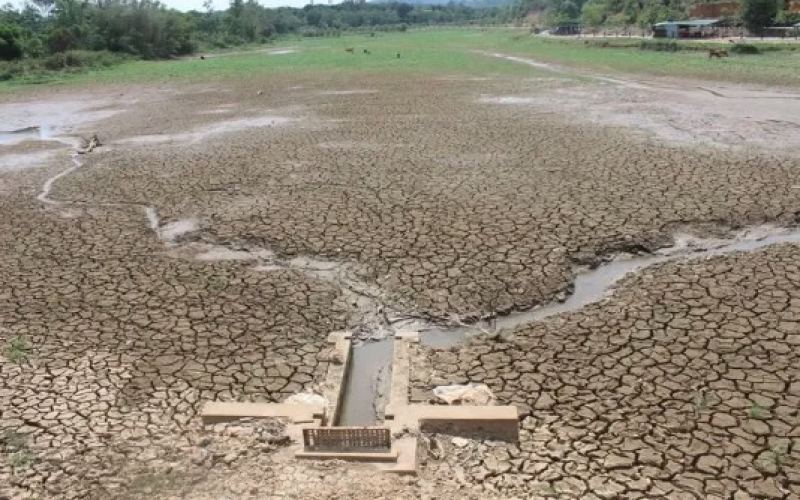
Recently, the World Meteorological Organization warned that extreme weather occurs frequently, and climate change is having a heavy impact on Asia. At present, in some Asian countries such as China and Dubai and other cities, extreme weather such as [more…]
Brazil experiences unusually high temperatures in autumn, disrupting the growth rhythm of coffee-producing regions
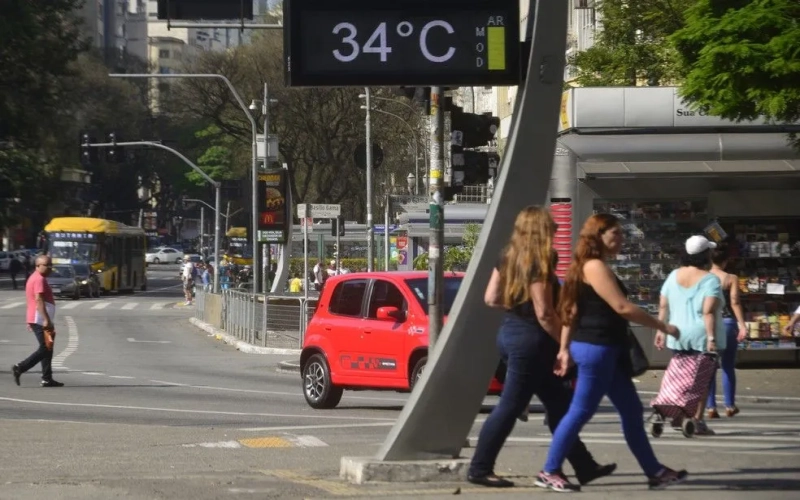
Global extreme weather continues to intensify, and Brazil has seen a rare phenomenon of inverted seasonal temperatures. May should mark the start of autumn, yet São Paulo recorded its hottest day for the same period in 81 years, with temperatures soaring to 32.8°C and generally remaining above 30°C. Persistent high temperatures and scarce rainfall are disrupting the normal growth cycle of coffee trees, with drought conditions particularly severe in central producing regions such as Minas Gerais. At the same time, Brazil and Vietnam's production and export data are trending upward, putting pressure on both international futures and domestic spot prices, but the future weather trajectory remains highly uncertain. [more…]

Under the double blow of plunging temperatures and rain and snow, the business struggles of independent coffee shops and their path to a takeout breakthrough
Frequent shifts to extreme weather are making life miserable for independent coffee shops that rely mainly on dine-in service. When temperatures plunge, takeout can barely keep things going, but once rain or snow hits, delivery breaks down, customers stay home, and shop owners even have to deliver orders themselves. This article examines the real operating conditions of coffee shops under different weather conditions, explores how to strike a balance between takeout and dine-in, and reveals the helplessness and hopes of industry workers who depend on the weather to make a living. [more…]
Vietnam's coffee crop failure pushes up Robusta prices, extreme weather and EUDR pose dual challenges to the industry
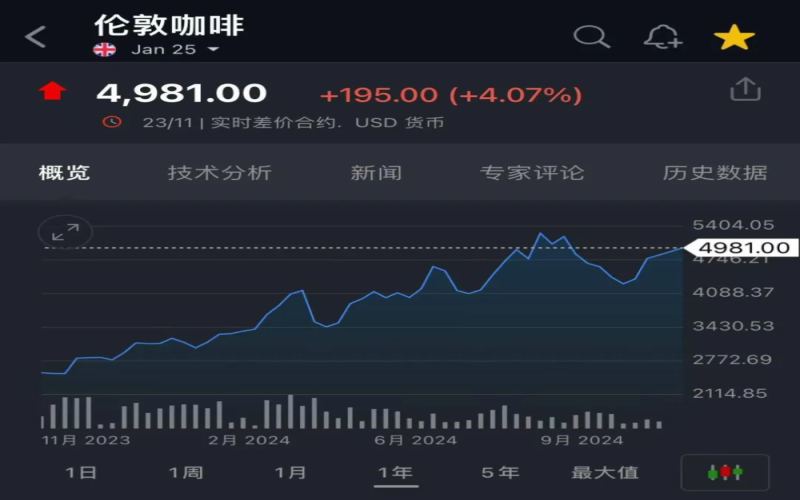
Recently, Arabica futures have continued to climb, hitting a 13-year high, with Robusta futures closely following, with prices approaching the $5,000 per ton mark. Behind this rally, the reduced coffee output in Vietnam has become a market focus. Although Vietnam's coffee export revenue hit a record high in the 2023/24 season, uncertainty brought by drought, typhoons, and the EU's zero-deforestation regulation is casting a shadow over this globally important Robusta-producing region. This article will review the current state of Vietnam's coffee production and sales, the impact of weather, and the main risks it faces in the future. [more…]
Extreme weather combined with labor loss puts Central America's coffee industry under pressure, pushing up international prices
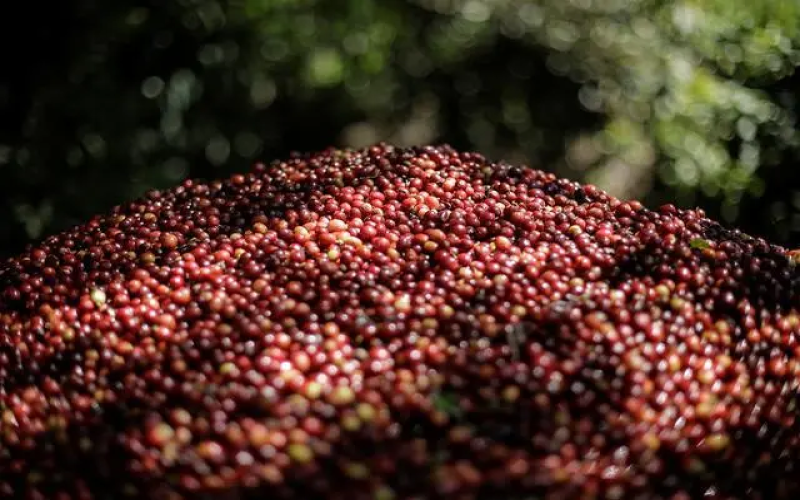
The coffee industries of several Central American countries have recently encountered multiple challenges. In Costa Rica, unstable rainfall and labor shortages are expected to cause a production decline of about 13% in the 2023/24 season. In Nicaragua, affected by El Niño, drought persisted until mid-May, political factors have led to large-scale emigration, and labor shortages threaten harvest quality. The drought crisis at the Panama Canal remains unresolved, shipping costs are rising, and labor protests have delayed coffee harvesting. Together, these multiple factors are keeping coffee prices at high levels. [more…]
Honduras faces extreme weather and severe air pollution, putting pressure on both coffee production and exports
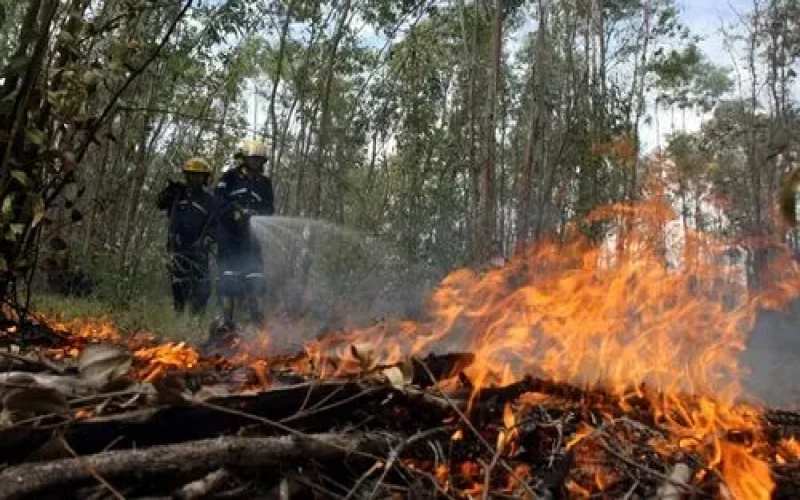
Honduras, as the largest producer and exporter of washed Arabica coffee in Central America, is currently facing severe environmental challenges. Persistent high temperatures and drought have triggered large-scale forest fires, causing air quality to deteriorate sharply, and an indefinite red alert has been activated in the central region of the capital. Meanwhile, the El Niño phenomenon has delayed the rainy season, with rainfall significantly lower than in previous years. The dual impact of air pollution and drought comes at a critical time for coffee tree growth and flowering, and major producing regions are likely to be severely affected. Export data for the 2023/24 season has already shown a downward trend, and the outlook for Honduras's coffee industry is concerning. [more…]
Honduras Ravaged by Wildfires and Extreme Weather, Coffee Industry Faces Risk of Reduced Production
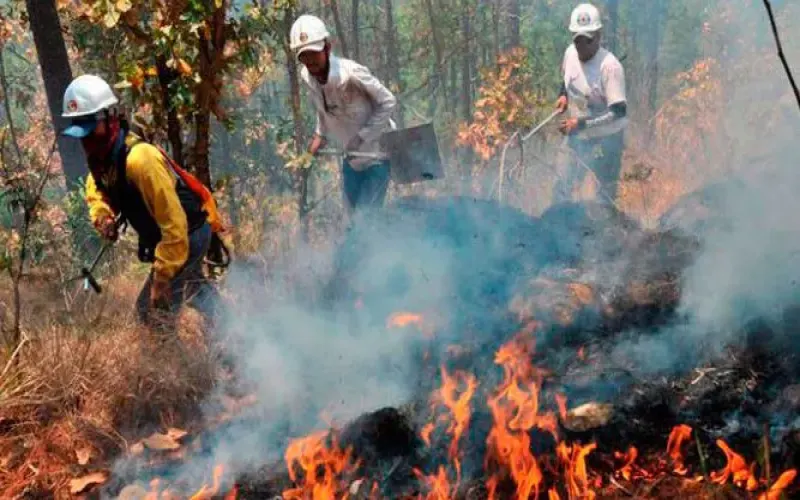
Since 2024, multiple Latin American countries have experienced historic high temperatures and droughts. Honduras is enduring its hottest and driest year since 1992, with maximum temperatures reaching 38-40°C. A total of 1,903 forest fires have broken out nationwide, destroying over 150,000 hectares of forest. Although the main coffee-producing regions have not yet been directly hit by the wildfires, rainfall has decreased by nearly 40% compared to the same period last year, hampering the growth of coffee plants during their flowering period. More critically, El Niño has not yet subsided, while La Niña is highly likely to arrive, and the threat of hurricane season is imminent. The Honduran Coffee Institute (IHCAFE) has already issued a warning about next season's output. Front Street Coffee will continue to monitor developments in the producing regions and bring first-hand information to enthusiasts. [more…]
Extreme heat sweeps across coffee-growing regions in multiple countries: Vietnam, Brazil, and Mexico see clear production declines, while Colombia bucks the trend with increased output
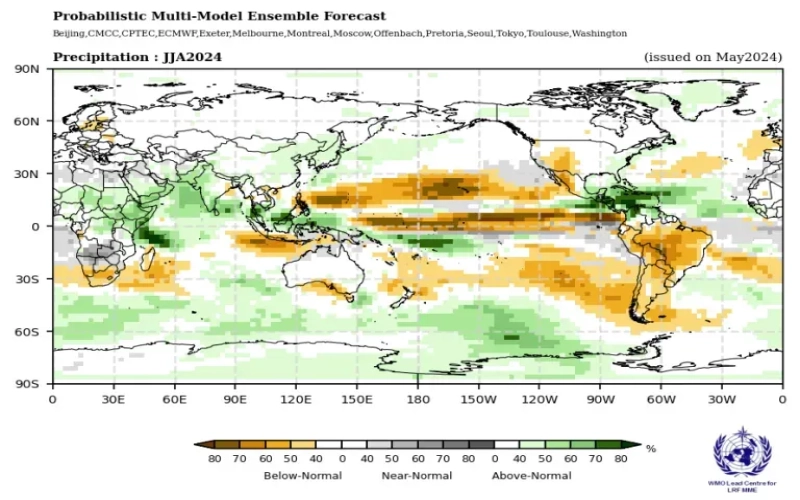
Since the start of summer, many countries around the world have experienced sustained high temperatures, with sea surface temperatures generally elevated outside the near-equatorial eastern Pacific and land temperatures rising accordingly, dealing a blow to agricultural production including coffee. Vietnam has suffered its worst drought in nearly a decade, with coffee trees severely damaged; Indonesia is still weighed down by last year's drought, reducing the volume available for export; Brazil's output has fallen short of expectations, and about 80% of Mexico's planted area has been affected, with production cuts expected to reach as much as 50%. At the same time, Colombia's first-half output hit a three-year high. The widening scope of production cuts pushed the ICO composite coffee price index up 8.9% month on month, and La Niña weather may further aggravate volatility. [more…]
La Niña Arrives in Succession: Global Coffee Production and Prices Face New Variables
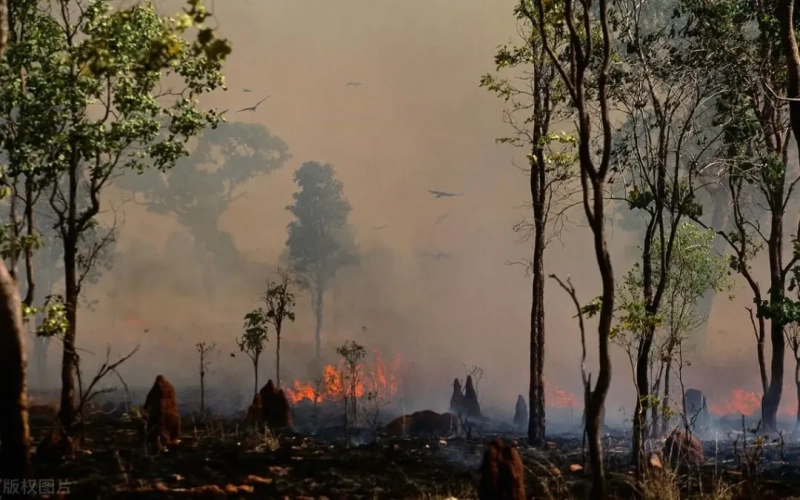
The lingering effects of El Niño in 2023 have not yet subsided, and La Niña may make a comeback in the summer of 2024, leaving global coffee-producing regions caught in a double bind of extreme weather. Drought during Brazil's flowering period, water shortages on Vietnam's highlands, coexisting floods and droughts in Africa, and the threat of hurricanes in Central America—the production outlook for major growing regions is shrouded in uncertainty. At the same time, rising demand for Robusta in European and American markets, combined with reduced output in several producing countries, has already triggered sharp fluctuations in international coffee prices. This article will examine how climate is disrupting the coffee supply chain and analyze the key variables shaping price trends in the second half of the year. [more…]

How to stabilize espresso extraction in humid climates? Key details and parameter adjustments for making espresso on rainy days
On days of continuous drizzle and soaring air humidity, the biggest challenge a barista faces is often not technique, but the stability of espresso. A humid environment can cause coffee beans to absorb moisture and lose flavor, and the pressure of the espresso machine may also be weakened, making extraction extremely unstable. This article starts from three angles—reducing bean moisture exposure, adjusting grind and dose, and increasing the frequency of parameter calibration—to sort out the operational details to pay attention to when making espresso on rainy days, helping you maintain consistency and flavor in your output even as humidity changes. [more…]
Arabica futures break through 273 cents to a ten-year peak, as extreme weather in Brazil continues to push coffee prices higher
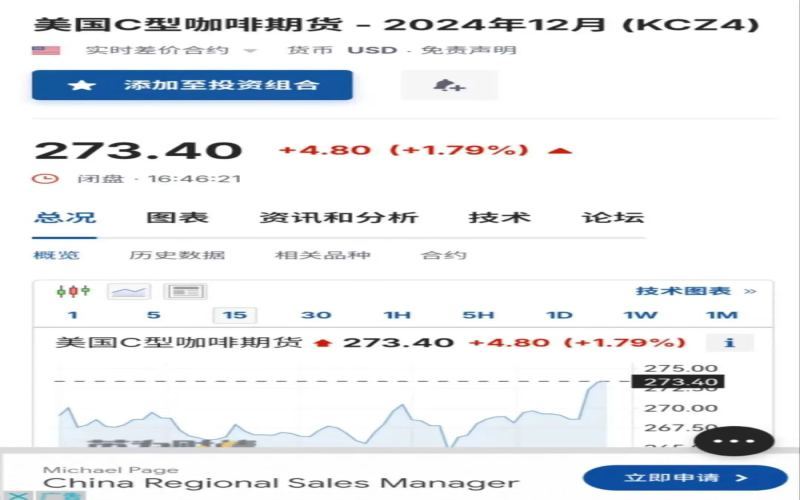
The global coffee market is currently enduring a rare price storm. Driven by climate factors such as prolonged drought, high temperatures, and uneven rainfall distribution in Brazil, combined with steadily rising global coffee demand, both Arabica and Robusta coffee futures prices have hit record highs. Arabica futures have reached 273.4 cents per pound, a ten-year high; Robusta's surge has been even more ferocious, with an increase of 74% within the year. As the world's largest coffee producer, Brazil's domestic retail coffee prices have risen to their highest level since records began in 1997. This article will examine the climate, production, and market factors behind this round of coffee price increases, and look ahead to the prospects for the next harvest season. [more…]

Torrential Rain Hits Shenzhen Coffee Festival: Stalls Leak, Power Out, Sewage Backs Up, Event Forced to Halt and Extended by One Day as Compensation
During the May Day holiday, Guangdong was hit by severe convective weather, and the site of the Shenzhen coffee festival descended into chaos under the onslaught of torrential rain. Leaking canopies over temporary stalls, sudden power outages on site, and yellow sewage gushing from drainage outlets—a triple blow that caught vendors and visitors off guard. Although the organizers and the mall carried out emergency repairs afterward, the incident still exposed the shortcomings of outdoor events in responding to extreme weather. This article reconstructs the course of events and brings the latest news on compensation for the event's postponement. For friends who love coffee culture, Front Street Coffee will also continue to follow such industry developments and bring more on-site reports. [more…]
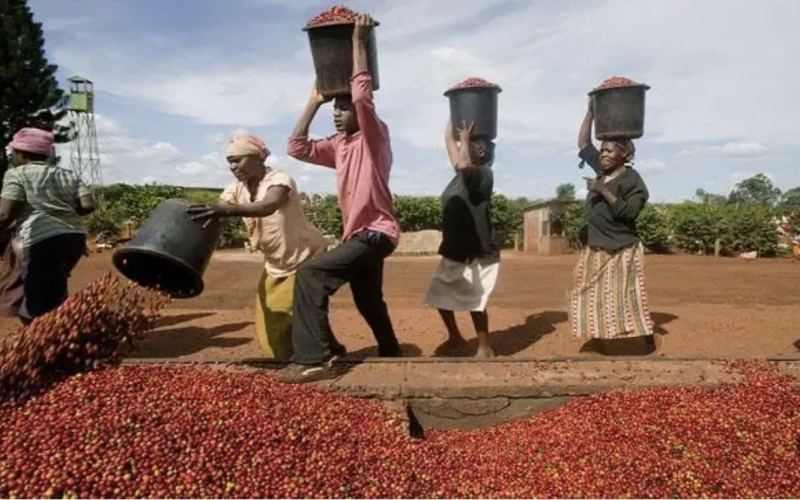
Jamaica encountered severe weather, resulting in a reduction of coffee production by about 25%
Jamaica encountered severe weather, resulting in a reduction of coffee production by about 25%. The Jamaican government plans to provide financial support. Jamaican Blue Mountain coffee is renowned as the best of coffee. During the heyday of Blue Mou [more…]